

Some portraits make you stop scrolling. Others make you wonder whether the photographer interrupted someone halfway through a tax return.
The difference is rarely just a better camera. A great portrait brings together a few deliberate decisions that help you notice the person, understand something about them and remember the image.
I’m Christo Brits, the photographer behind CB Photography in Brisbane. As a brand photographer, headshot photographer and portrait photographer, I’m interested in more than whether a photo is technically tidy. It needs to say something about the person in it and at the end of the day, they should love the photo.
So, what makes a good portrait or headshot? These are the five things that matter.
A great portrait or headshot combines a clear purpose, thoughtful lighting, a believable expression, considered posing and composition that directs attention. The balance changes with the person and the intended use, but technical polish alone is not enough.
1. Know what you need the photo to do
Before choosing a background or deciding what to wear, work out what the photograph needs to do. Introduce you to potential clients? Show the personality behind your business? Create something expressive that belongs on a wall rather than an email signature?
Those are different jobs. Expecting one photo to do all of them is a bit like expecting your morning espresso to also make breakfast. Ambitious, but perhaps not the brief.
Headshot, portrait or brand photograph?
A headshot usually prioritises a clear, recognisable view of the face. A portrait can explore personality, mood and surroundings more broadly. Brand photography connects the person with a business identity, audience or message, and can include both headshots and wider portraits.
For a Brisbane business owner, that might mean a straightforward headshot for a professional profile and a wider portrait for a website’s About page. Neither is automatically better. Each should suit where it will appear and what you want it to communicate.
That is where the roles of headshot photographer and brand photographer overlap at CB Photography. A polished photograph is useful. A polished photograph with a clear job to do is more useful.
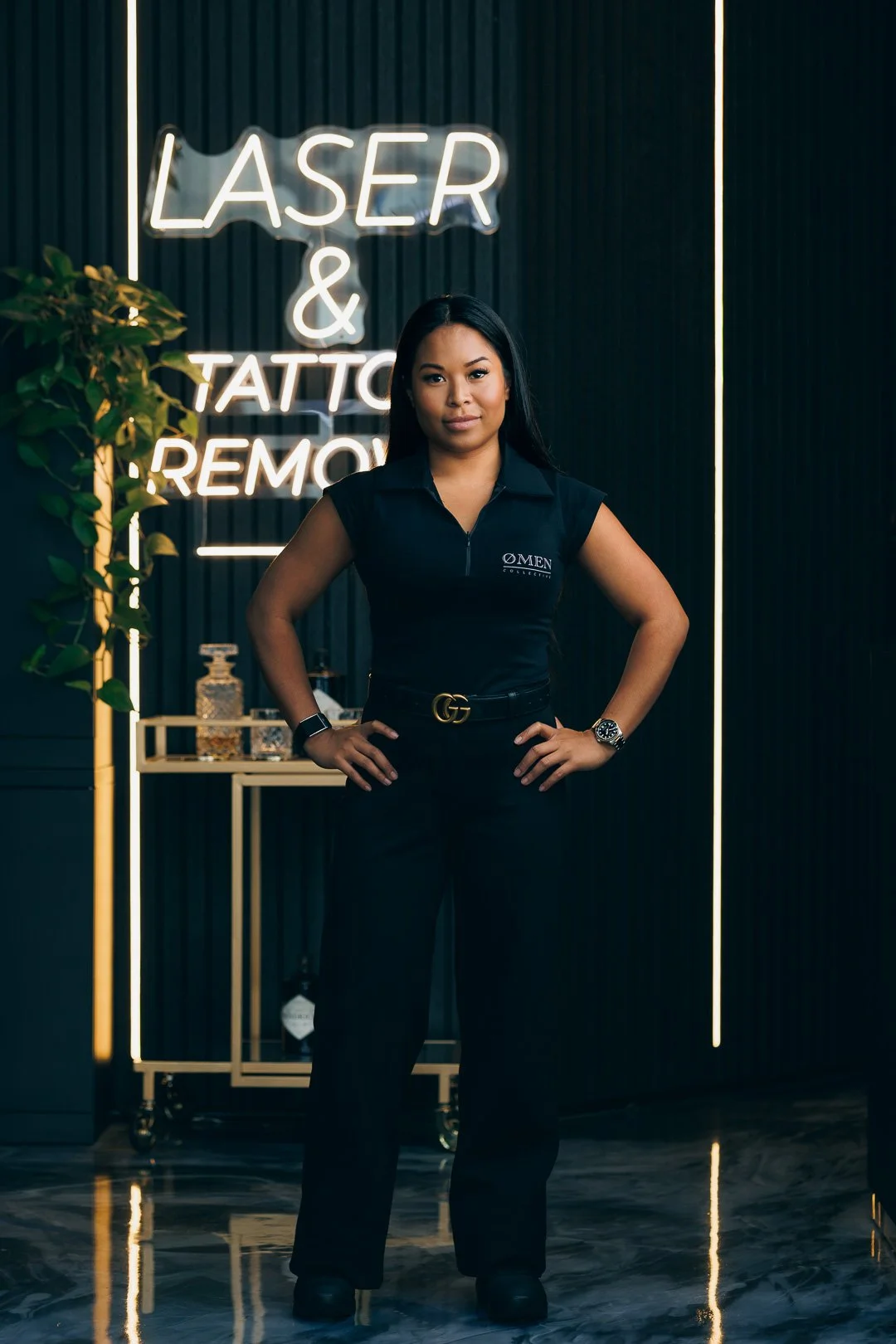
Confidence in context
2. Use lighting to shape your features and set the mood
Good lighting does more than make a face visible. Its direction, softness and contrast influence the shape of the face and the feeling of the photograph.
Soft light can feel gentle and welcoming. More directional light can introduce depth, texture and a stronger sense of drama. Neither needs to win an argument. The right choice depends on the portrait.
Look at the close-up character portraits alongside the brighter outdoor images. The different treatment changes the mood, even though the person remains the main point of interest.
At CB Photography, the goal is not to apply one lighting recipe to every face. Like coffee, “stronger” is not automatically “better”, particularly if the result leaves everyone looking distressed.
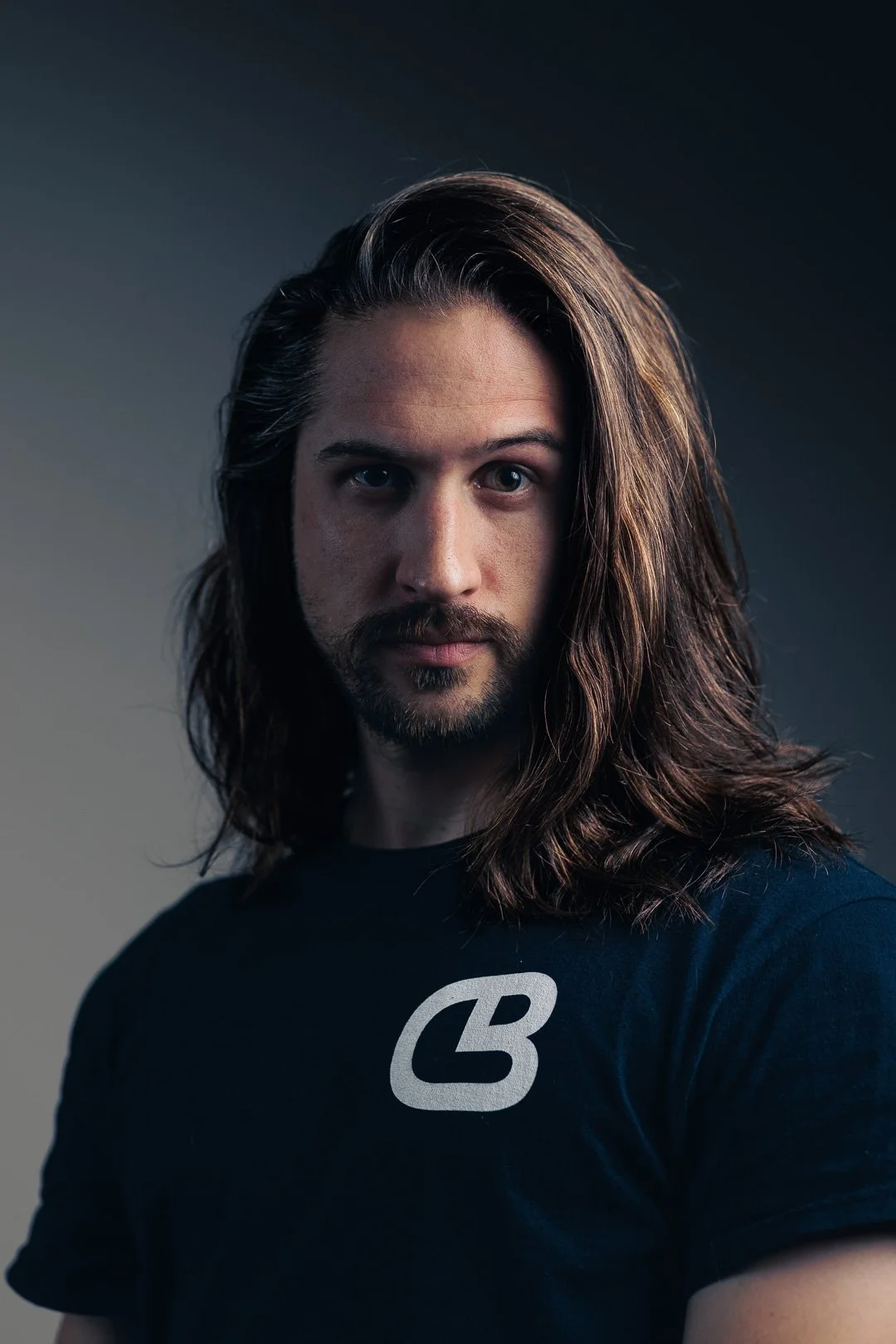
Character shaped by light
3. Get an expression that looks like you, not a forced smile
A technically excellent headshot can still feel oddly empty. Sharp eyes are useful, but an expression that feels like the person is what gives the viewer something to connect with.
That does not mean everyone needs a broad smile. Warmth, quiet confidence, curiosity and a serious expression can all work, provided they fit the person and the purpose.
This is why “just look natural” is not especially helpful direction. If it were that simple, nobody would suddenly forget what to do with their face when a camera appeared.
A good portrait photographer pays attention to comfort and timing, not just camera settings. At CB Photography, the point is a recognisable person rather than a convincing impression of someone who enjoys having their photo taken.
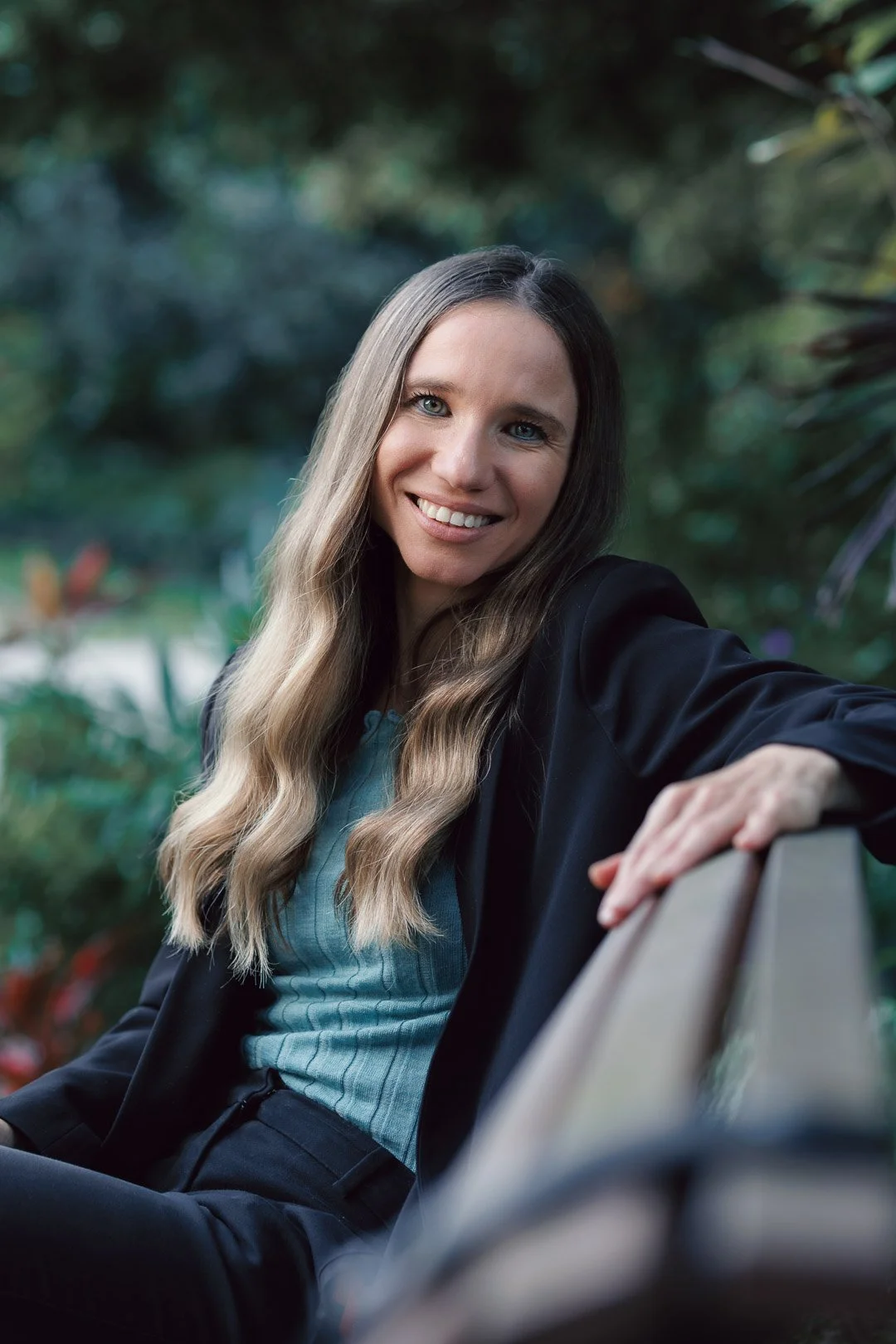
A smile that feels natural
4. Choose a pose that feels comfortable and looks confident
Posing is not about forcing every person into the same flattering angle. It is about making choices with posture, shoulders, hands and the direction of the face so the photograph feels intentional.
A seated pose can create a different impression from a square, hands-on-hips stance. Leaning against a doorway introduces another feeling again. Small changes can move a portrait from formal to relaxed without changing the outfit or location.
The trick is to make the pose support the person, not swallow them. You should not need a background in contemporary dance to get through a headshot session.
For CB Photography, strong posing is about the relationship between body language and expression. A confident stance with an uncomfortable face sends mixed messages, however immaculate the jacket.
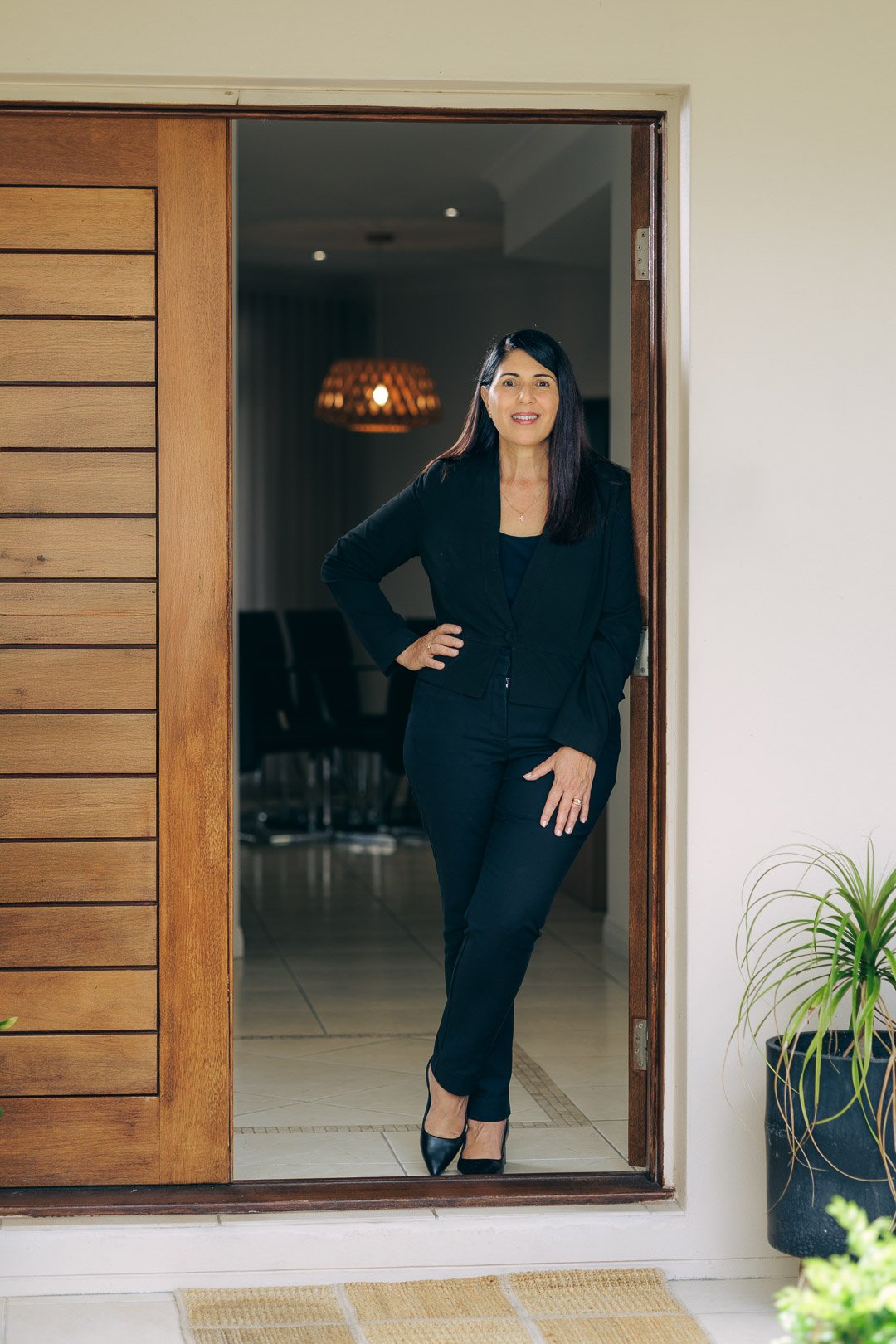
Framed by the doorway
5. Pick a background and crop that keep the focus on you
Composition decides where your eye goes. The crop, background, colours, lines and space around the person can either strengthen the portrait or compete with it.
A close headshot can remove distractions and make the face the obvious focus. A wider portrait can include surroundings that add context. For Brisbane professionals choosing a location, the useful question is not simply whether a place looks impressive, but whether it suits the person and the intended image.
Creative does not have to mean complicated
In my own CB Photography work, the close-up portraits and the more creative client images take very different approaches. The bridge portrait keeps the central person clear while blurred movement passes on either side. Another portrait uses coloured outlines and blurred figures to create a bolder, more graphic image.
Those examples show why there is no single template for a successful portrait. A plain background can work beautifully, but so can movement and colour when the person remains the visual anchor.
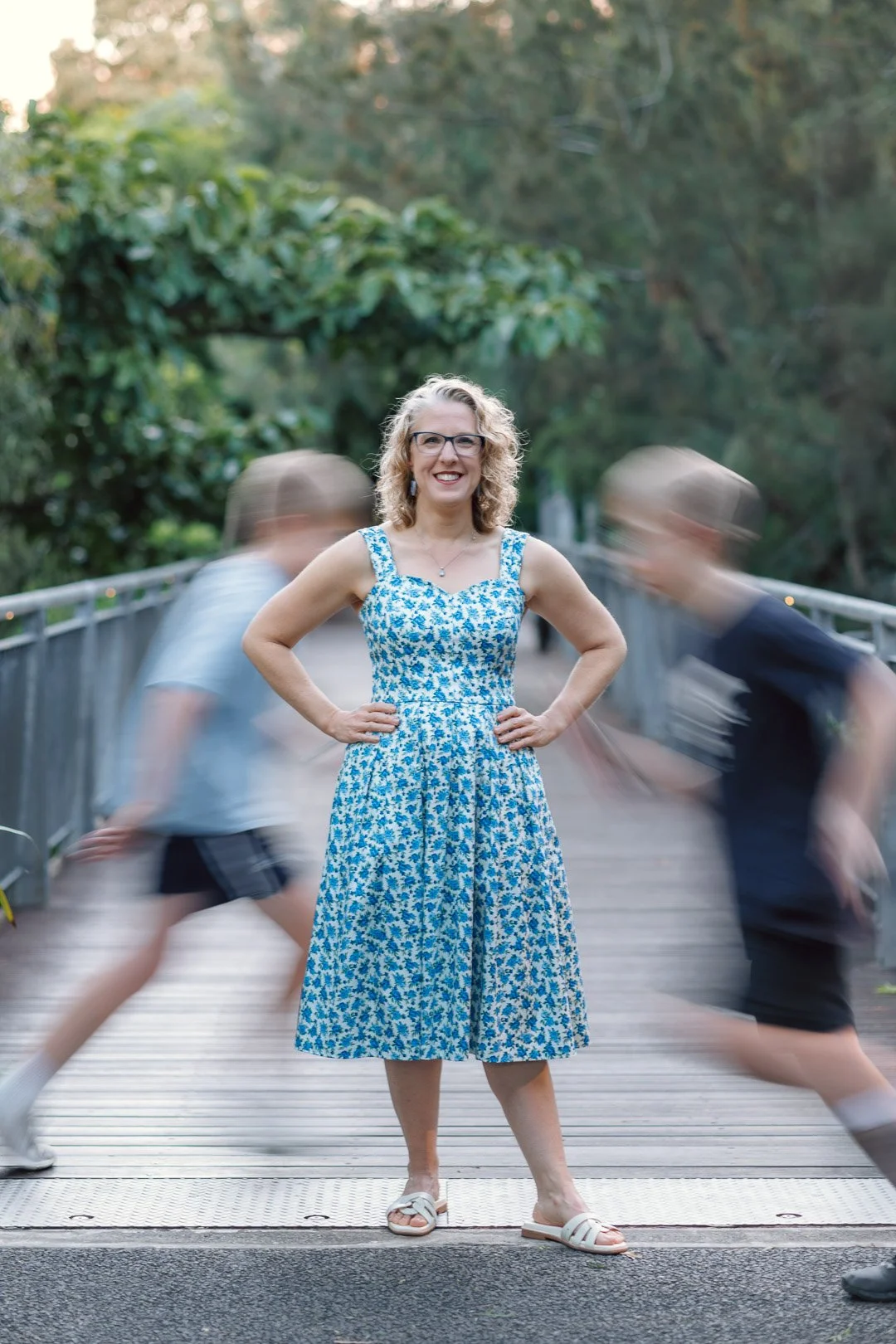
Stillness among the movement
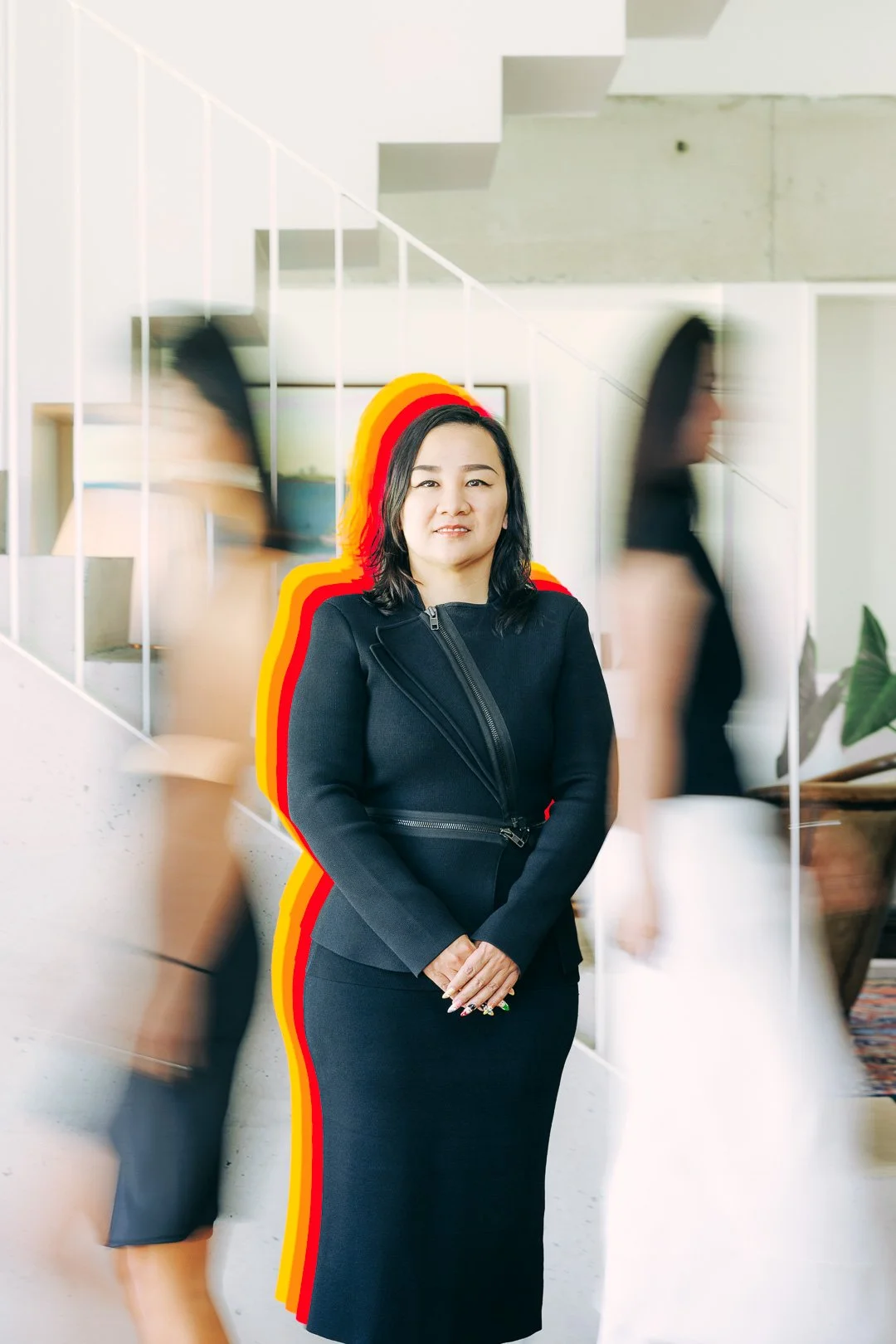
Personality in full colour
As a portrait photographer and brand photographer, I want creative choices to contribute something. An effect should help the photograph say more, not simply announce that someone found another editing button.
Great portraits should still feel like you
The best portrait is not necessarily the brightest, most dramatic or most heavily edited. It is the one where purpose, lighting, expression, posing and composition work together without losing the person in the process.
Whether you need a professional headshot, a personal portrait or a more expressive set of brand images, CB Photography brings those decisions back to what you want the photograph to communicate. Professional does not have to mean stiff, and creative does not have to mean unrecognisable.
Right, you've made it to the end. You're probably wondering who the caffeine-fuelled bloke dissecting photos is. I'm Christo Brits.
When I’m not writing these breakdowns over a dangerously strong flat white, I run my business, CB Photography. I'm a brand photographer based in Australia, and I use every single one of these principles—story, contrast, balance—to help businesses create images that don't look like they were pulled from a stock photo catalogue from 2004.
P.S. Want the shortcut to my editing style? If you dig the moody, clean look of the photos on this blog, I've packaged my entire editing process into Lightroom Presets. They're the quickest way to get a professional look without the years of tweaking sliders until your eyes bleed. You can grab my presets right here.